
Application · High-Temperature & Spatter Environments
Energy supply engineered for High-Temperature & Spatter Environments.
Dress packs, cables and media management engineered — and validated — for the specific demands of High-Temperature & Spatter Environments applications.
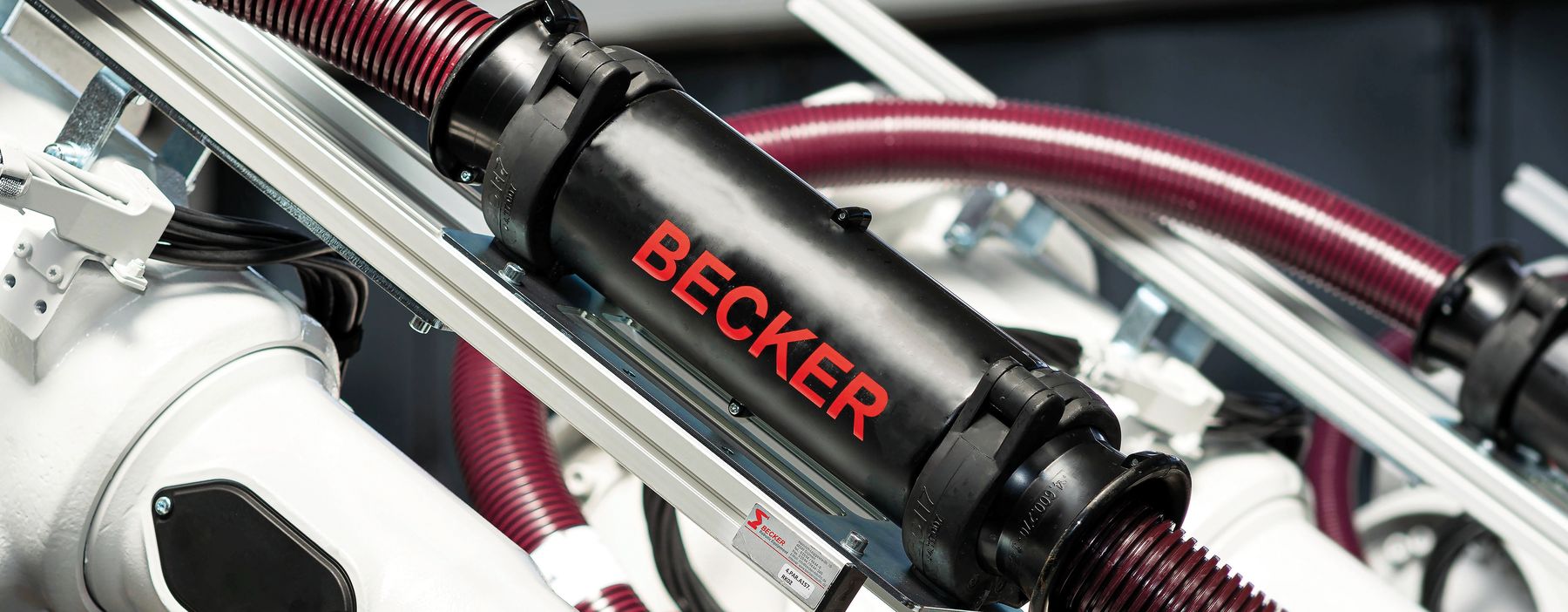
Heat degrades a dress pack in two ways, and they need different answers. Radiant and ambient heat ages the jacket everywhere at once; spatter and hot particles destroy it at specific points. A pack that is over-specified for the first and unprotected against the second still fails in the same six months.
What the application demands
- Honest temperature ratings for every material in the package, not just the cable
- Sacrificial protection where hot particles actually land
- Strain relief that stays tight as materials soften and recover
- Service intervals based on the environment, not a generic schedule
- Clear limits — and a supplier who states them
The materials and their real limits
We would rather publish the numbers than imply a capability. The Connectronix range is rated −40 to +80 °C. The push-in PUR hose program runs −35 to +90 °C and is welding-spatter-resistant with UL94 V0 to V2 flame ratings. The DUO hose is rated −40 to +90 °C. Temperature-controlled hose assemblies carry media up to 100 °C, and are expressly not for use in explosive atmospheres.
These are welding-cell and hot-process figures. They are not foundry figures. If your ambient sits above them — near a furnace, a die-cast machine or a hot forging line — tell us the actual temperature and duty and we will tell you honestly whether the standard program covers it or whether it needs a different answer.
Protection where the particles land
Leather protection sleeves are the practical answer to spatter, in fixed lengths and an extendable version, with support and mounting sleeves. They are consumables: replaced on a schedule so the cable package underneath reaches its full service life instead of being scrapped with them. Corrugated tube, protectors and connectors are then specified for the residual exposure rather than the worst point.
Getting the specification right
The useful conversation is about measured temperature at the pack, the duty cycle, and where the spatter actually lands — which is rarely where people expect. Send us that and the specification follows from it.
Related applications
Spot welding · Arc welding · Laser welding · Spare parts · Tip dressers and changers · Replacement and retrofit
Recommended systems for High-Temperature & Spatter Environments
Browse by robot brand →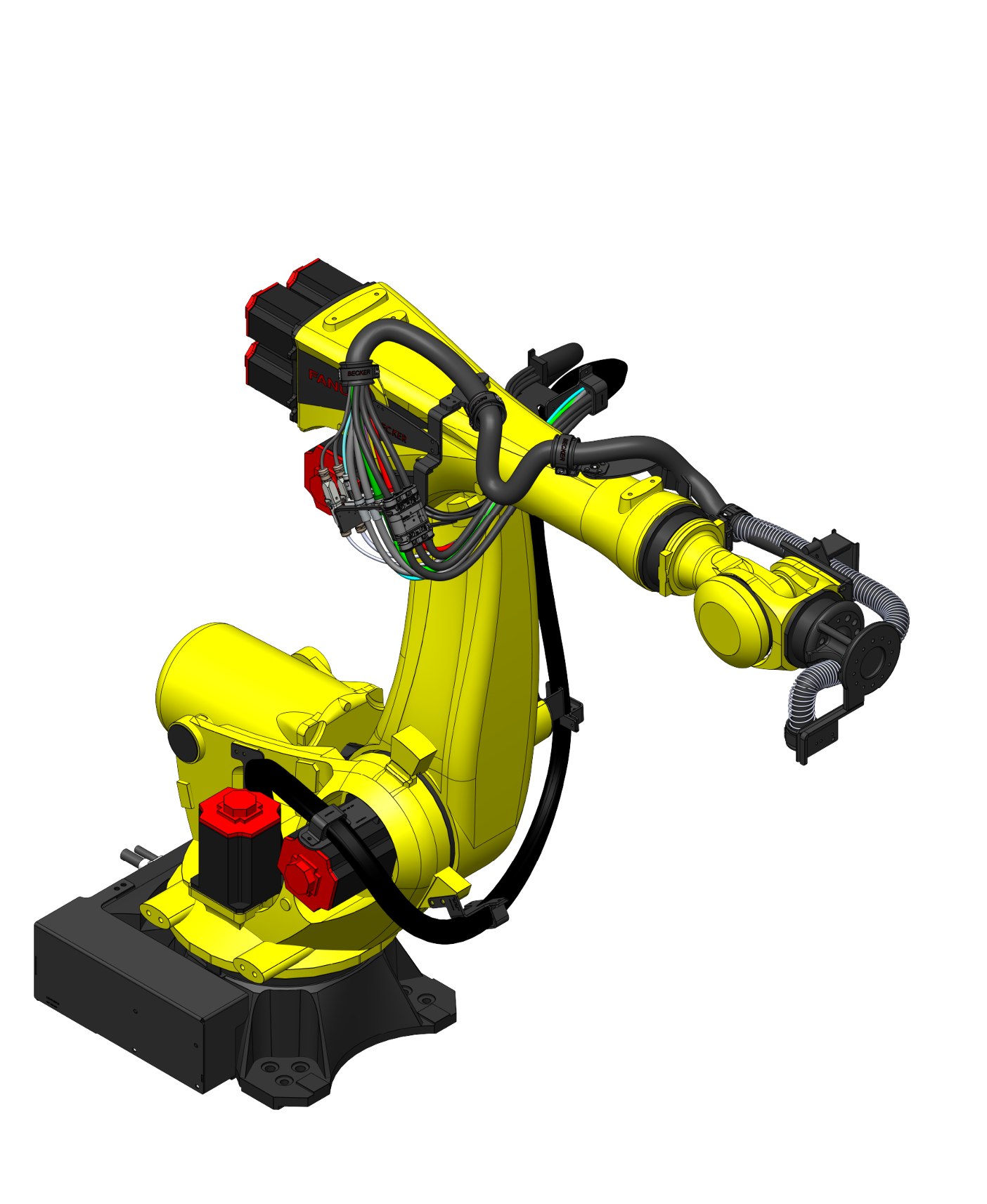
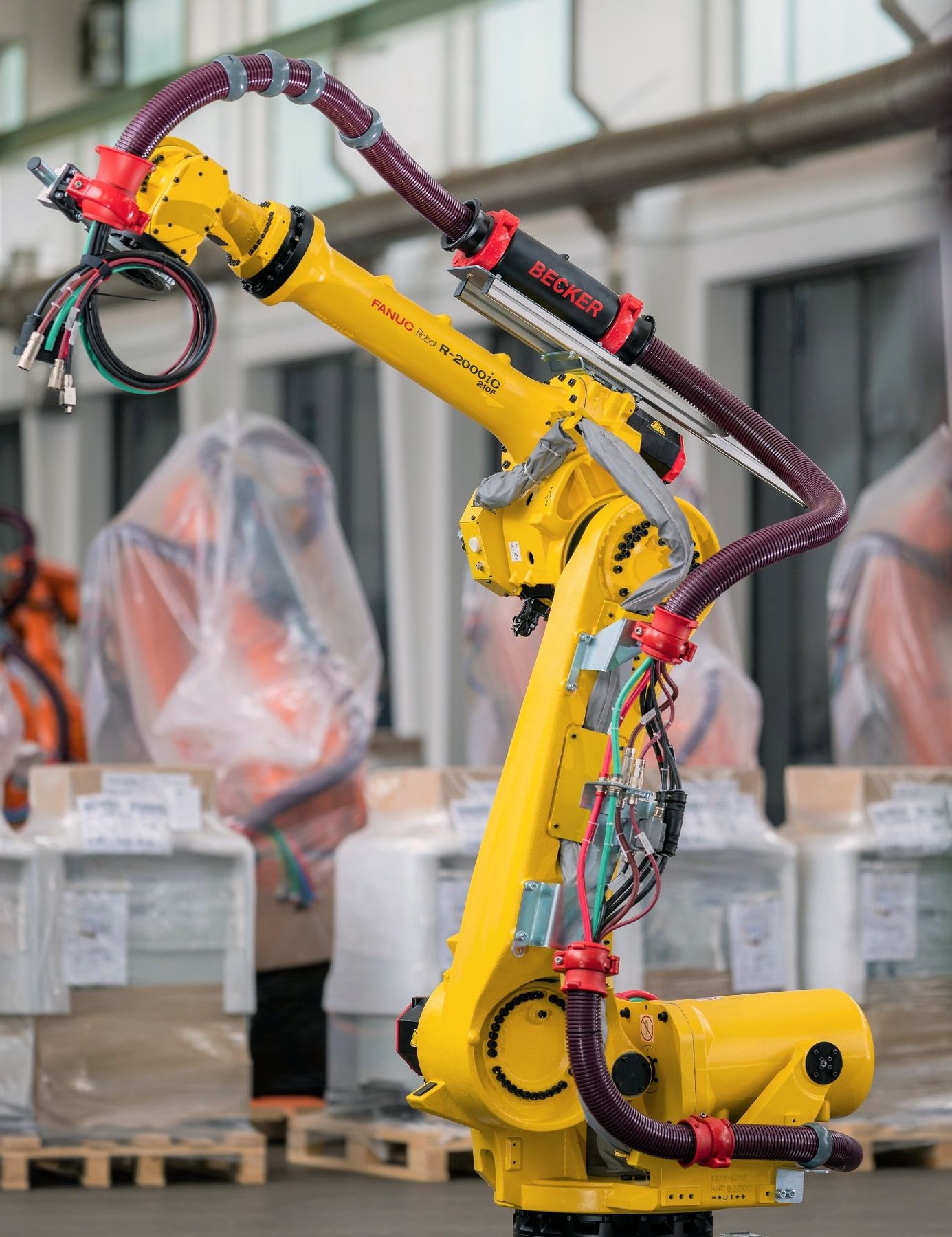
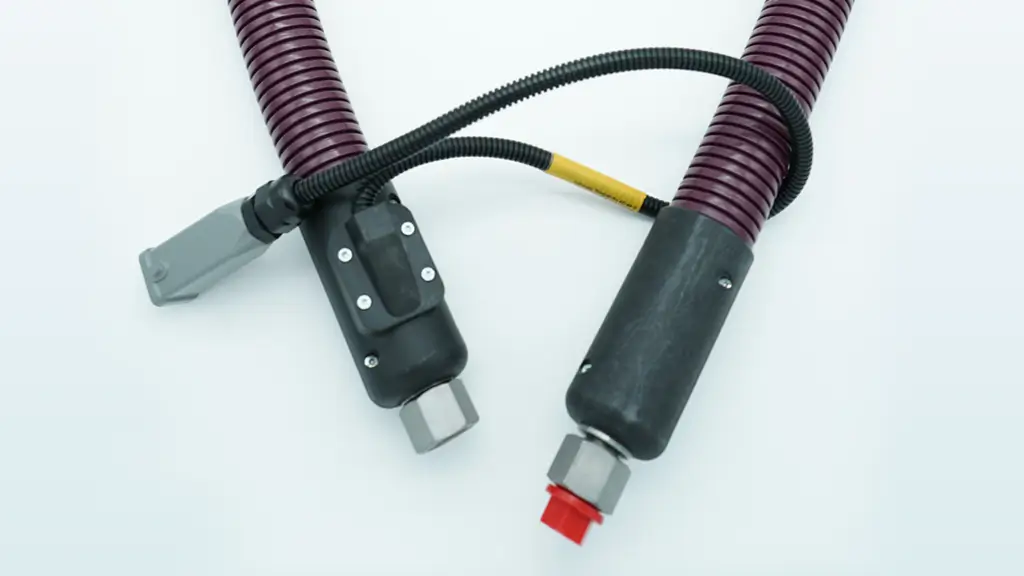
Let's spec the right system for your High-Temperature & Spatter Environments cell.
Send us the robot model and cycle profile — we'll spec a system built for the environment.